
Are you looking for a clutter cure?
You're in the right place. Clutter comes in all shapes and sizes and we all have a complex relationship with our stuff. Successful decluttering isn't simply wrangling possessions, it requires a fundamental shift in mindset.
Using Acceptance & Commitment Therapy, Dr Jan Eppingstall of STUFFOLOGY can help you make that mindset shift and live your life to the full with less.
BOOK RELEASE
"Unstuck: Why hoarding isn't about the stuff
- Part 1: Decision-Making"
Get the insights from Dr Jan's popular newsletter series in one comprehensive guide:
NDIS enquiries for plan and self-managed participants require a detailed consult. Please Book a Free Call by clicking on the button top right on this page.
Newsletter Sign Up
If you want to be first to receive exclusive content delivered directly to your inbox every week sign up for the NEWSLETTER HERE:
Frequently Asked Questions
Yes! "Unstuck: Why hoarding isn't about the stuff - Part 1: Decision-Making" gives you the psychological foundation to understand decision-making challenges. It's perfect preparation for our work together, or as a standalone resource. Available as PDF ($4.99), EPUB ($5.99), or both formats ($6.99).
I've worked in homes across the entire spectrum of hoarding severity. My role is to understand your relationship with your belongings, not to judge your space. We work at your pace, with your comfort level, focusing on psychological patterns rather than just clearing items.
That's completely normal and expected. We start by understanding why discarding feels difficult, not by forcing you to discard. Many clients begin by simply making space to breathe and move safely in their homes.
Most clients work with me for 12-15 weeks with measurable progress. This isn't about perfection - it's about creating sustainable change that fits your life and values.
Yes, I also provide support for chronic disorganisation and executive function challenges, particularly for people with ADHD/AuDHD. I also work with adult children of people who hoard. All my approaches are trauma-informed and evidence-based.
Family involvement can be helpful, but it requires careful consideration. I can provide guidance on how families can support the process.
I follow strict professional confidentiality guidelines. I'm discrete about arrivals/departures and maintain complete confidentiality about what I observe in your home.
Professional organisers focus on systems and physical organisation. As a counsellor and hoarding expert, I address the underlying thoughts, feelings, and beliefs that make organising and discarding difficult. We work on changing patterns, not just moving things around.
Whether it's help for chronic disorganization or hoarding for yourself, a loved one, a client, or someone in your community you'll find useful resources here.
Here's how to get started:
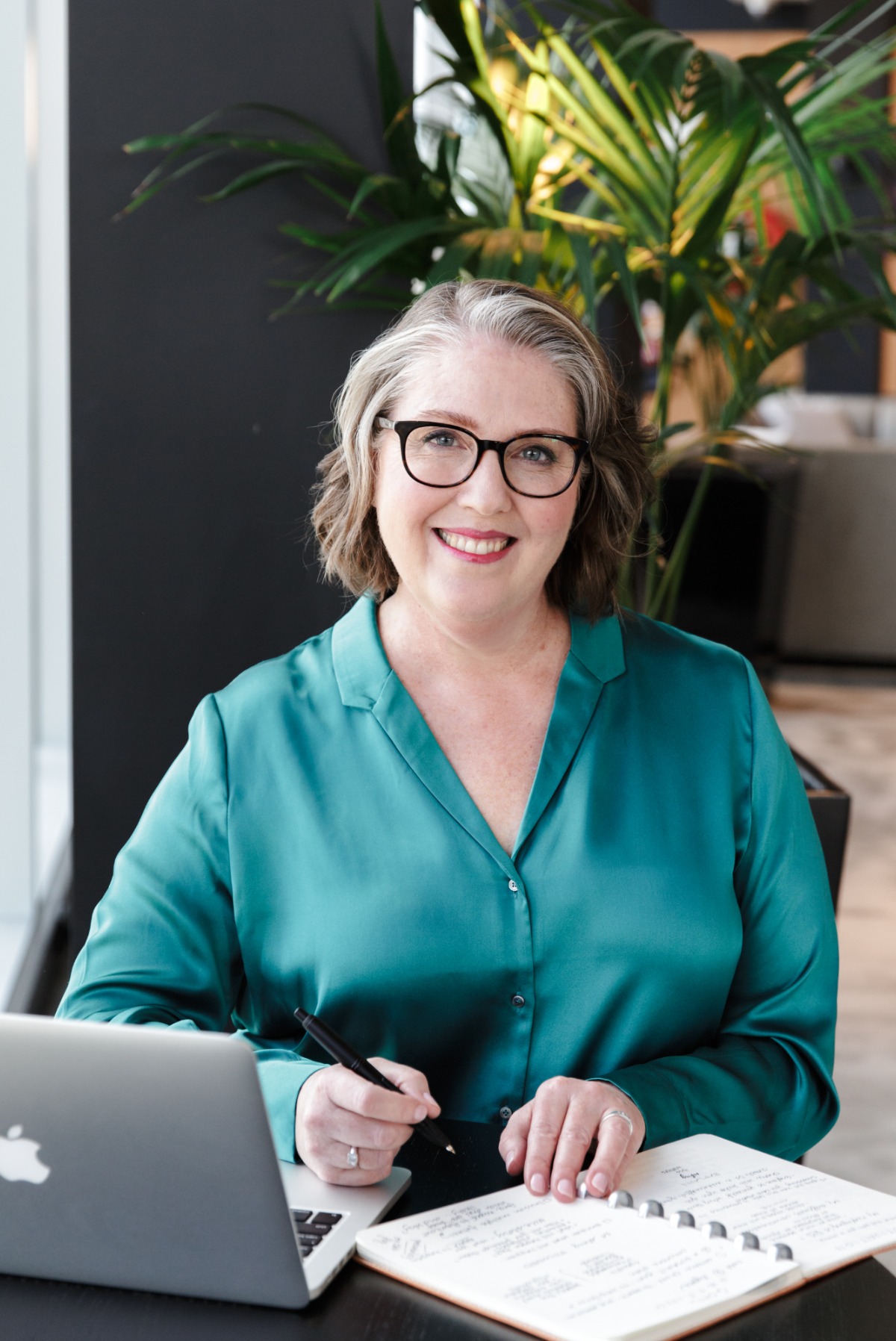
About Dr Jan Eppingstall.
Jan is an expert in the psychology of hoarding behaviours and is never finished learning. She completed a Master of Counselling at Monash University in August 2021 to further help individuals who hoard, train practitioners, and contribute to research that moves the understanding of hoarding behaviours forward.
Send Dr Eppingstall a note: